The best condom for anal sex is not a single brand or style. It is a condom that fits securely, uses a material you and your partner can tolerate, and is paired with enough compatible lubricant. A thin condom may increase sensation. A textured condom may add stimulation. A wider condom may fit better for some people. None of those features matters, however, if the condom slips, feels painfully tight, is damaged, or is used with an incompatible lubricant.
This guide explains latex and non-latex materials, nominal width, thin and textured designs, lubricant compatibility, and correct use. It is general education, not personal medical advice. Read the package instructions for the exact condom and lubricant you use.
Start with protection, not a marketing label
External condoms can reduce the chance of transmitting HIV and many other sexually transmitted infections when they are used correctly every time. They do not eliminate every risk. Some infections can spread through skin that a condom does not cover, and any condom can fail if it is damaged, expired, used incorrectly, or paired with the wrong lubricant.
Packaging sometimes uses gendered or pleasure-focused language, but that does not determine whether a condom can be used for sex between men. The practical questions are material, fit, condition, lubricant compatibility, and whether the design feels good enough that you will use it consistently.
Choose between latex and non-latex materials
Natural rubber latex is the most common external-condom material. It is flexible, widely available, and offered in thin, textured, standard, and wider designs. Do not use a latex condom if you or your partner has a known latex allergy.
Non-latex does not describe one material. The current assortment includes polyisoprene and polyurethane options. Polyisoprene has a softer, elastic feel that many people find similar to latex, but oil can damage it. Polyurethane is a thin plastic material that may feel and transfer heat differently. It can be an option for a person avoiding natural rubber latex, but the fit and handling may differ from a stretchy latex condom.
Understand nominal width before comparing sizes
Nominal width is the width of the condom when it is laid flat. It is not the circumference of the penis, and it is not the diameter of the condom when worn. That distinction matters because a package marked 56 mm does not mean it is made for a penis with a 56 mm circumference.
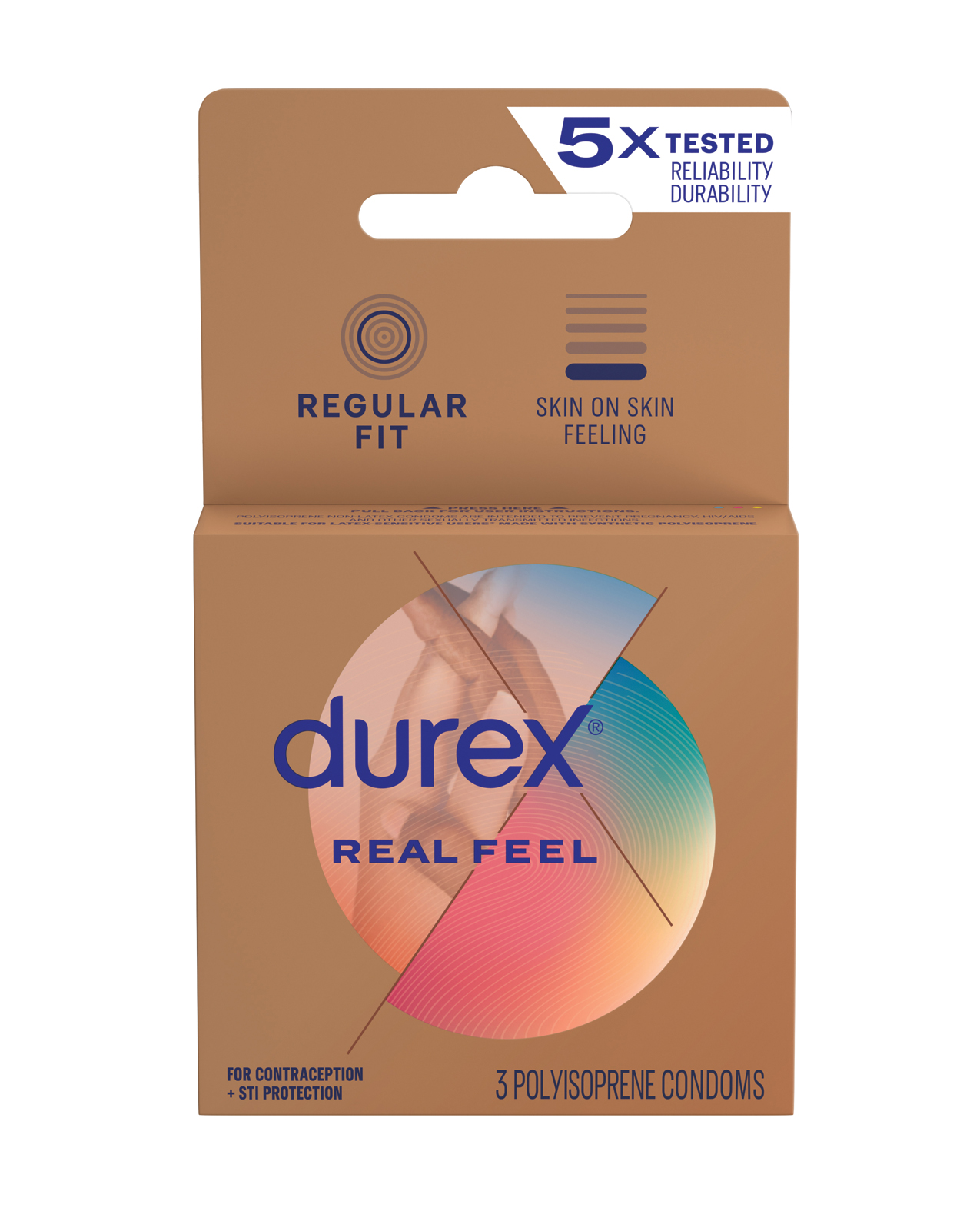
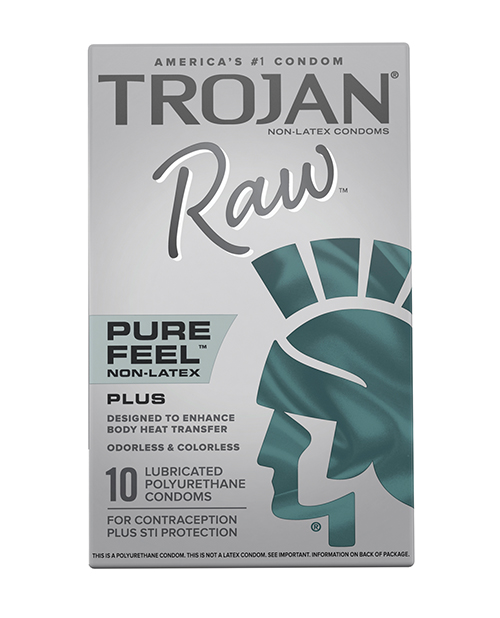
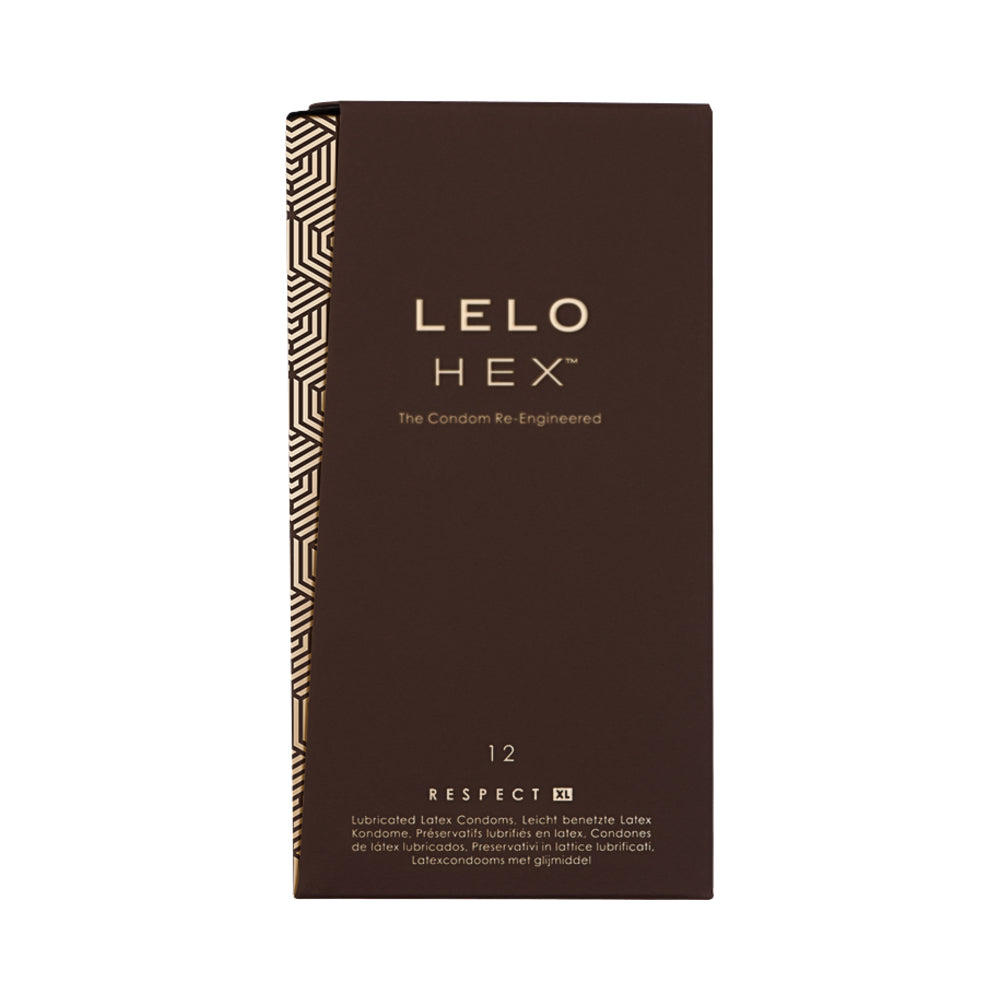
Manufacturers do not all use identical words for standard, large, XL, snug, or close-fit products. Compare the actual nominal width when it is published, then assess how the condom behaves when worn. In the current assortment, the Durex Avanti Real Feel is listed at 56 mm, the Trojan Raw Pure Feel at 57 mm, and the LELO HEX Respect XL at 58 mm.
A secure fit should stay in place without causing pain, numbness, discoloration, or a deeply constricted feeling. A condom that bunches, slides, or repeatedly comes off may be too loose or may not have been rolled fully to the base. A condom that is extremely difficult to roll down, feels painfully tight, or repeatedly breaks may be too small, too dry, damaged, or used incorrectly.
Because fit depends on shape as well as circumference, published width is a starting point, not a guarantee. Trying a small box before buying a larger quantity is a practical way to compare comfort and security.
Thin, textured, and internal-texture designs feel different
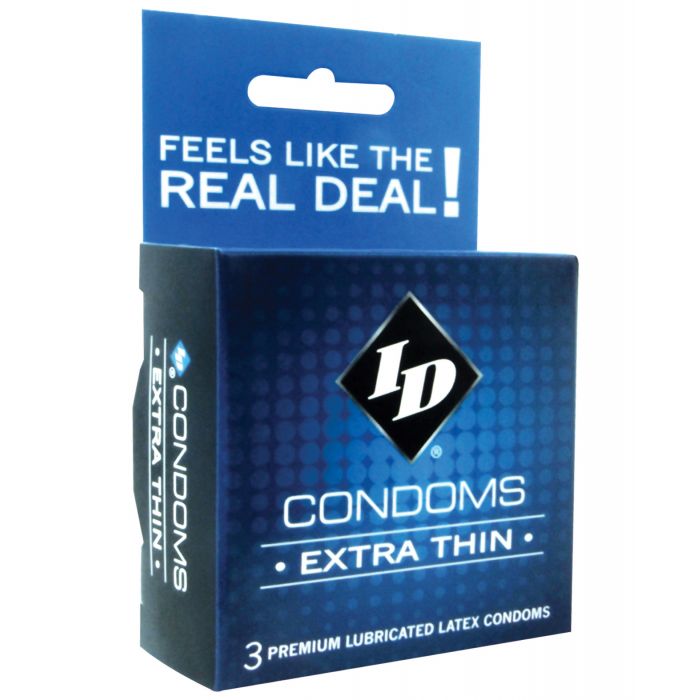
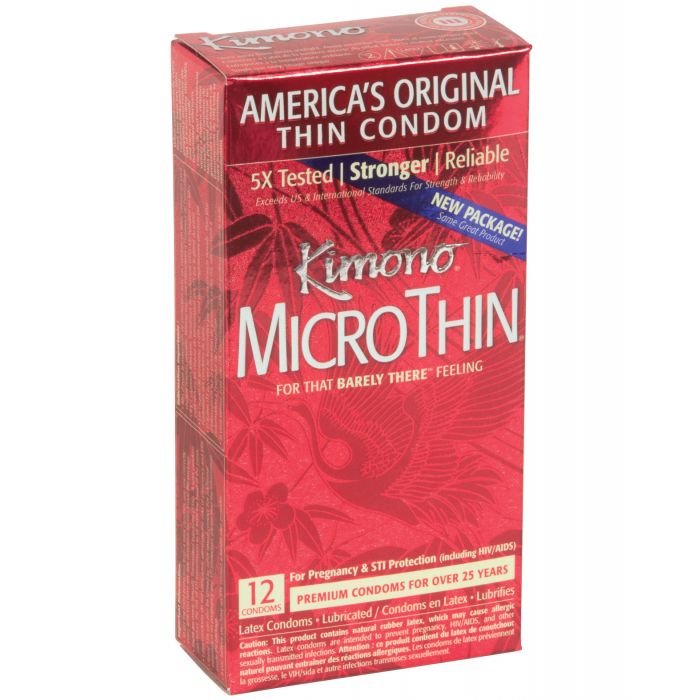
Thin condoms reduce material thickness to increase sensation while still being sold as condoms. A thin label does not mean the product can be reused, used dry, or handled less carefully. The ID Extra Thin Condoms offer a three-count way to try a thin latex design. The Kimono Micro Thin Condoms are another natural-rubber-latex option in a twelve-count box.
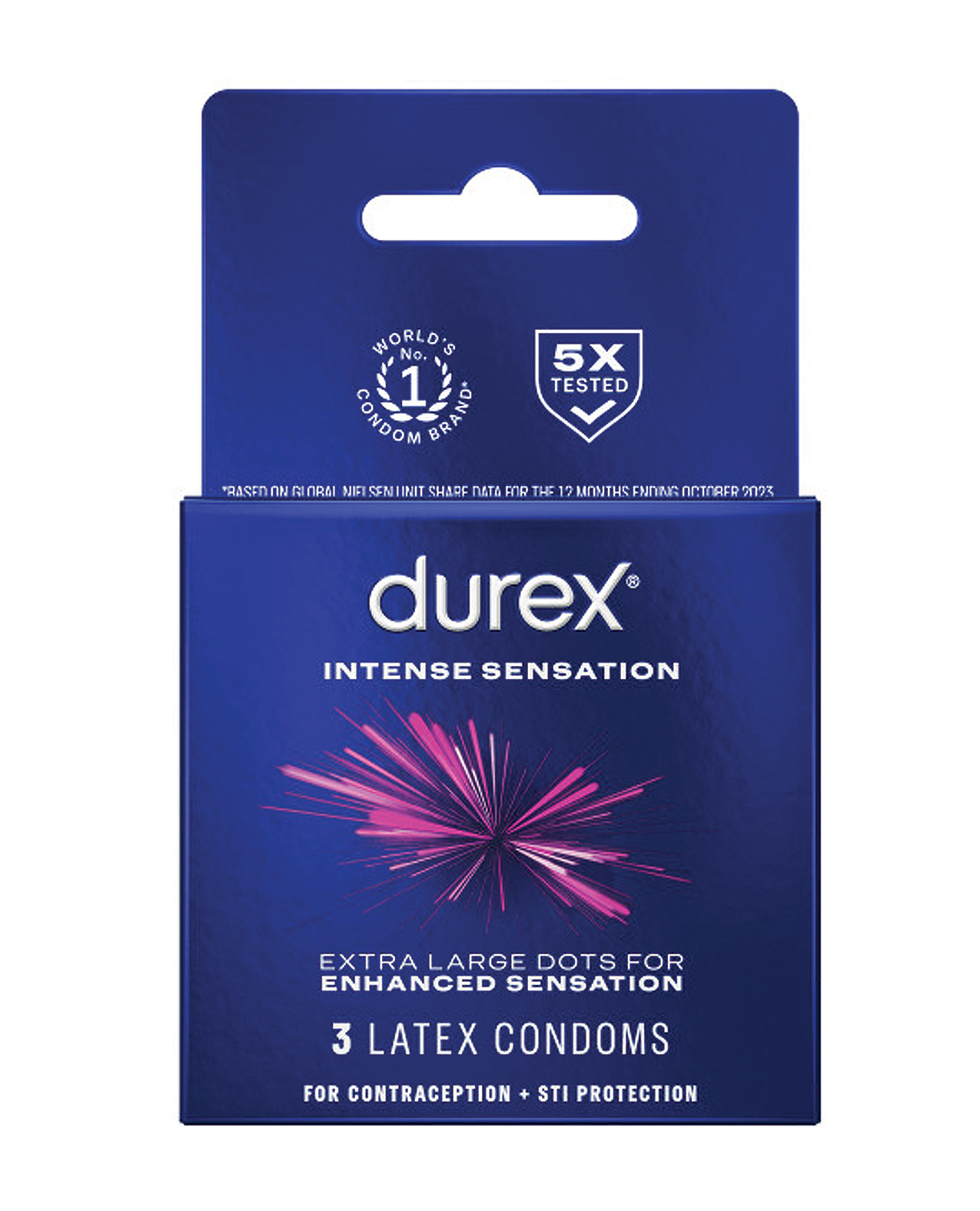
Textured condoms place raised features on the outside to change sensation for the receptive partner. The Durex Intense Sensation Condoms are a textured natural-rubber-latex option. Texture can increase stimulation, but it can also create more noticeable friction. Use generous compatible lubricant and stop if the texture feels irritating.
The LELO HEX Respect XL uses an internal hexagonal structure intended to improve grip rather than an exterior texture designed primarily for the receptive partner. Read each product description carefully instead of assuming every textured pattern serves the same purpose.
Lubricant compatibility is essential for anal sex
The anus does not provide the same natural lubrication as a vagina. Adequate lubricant reduces friction, can improve comfort, and helps reduce condom slipping and tearing. Most condoms are lubricated in the wrapper, but that small amount may not be enough for anal sex.
Water-based and silicone-based lubricants are generally compatible with external condoms. Oil-based products can damage latex and polyisoprene, so do not use petroleum jelly, body lotion, massage oil, baby oil, cooking oil, or an oil-based sexual lubricant with those materials. A polyurethane condom may permit more lubricant types, but always check both the condom and lubricant labels before combining them.
Add lubricant to the outside after the condom is on. A few drops inside the tip may increase sensation, but too much inside can make the condom more likely to slip. Reapply outside lubricant when glide decreases. If the lubricant becomes sticky, dry, or irritating, pause and add a compatible product or stop.
Avoid condoms or lubricants containing nonoxynol-9 for anal sex. The CDC warns that this spermicide can cause irritation. Products marketed for climax control or reduced sensitivity also deserve a careful label check. A desensitizing ingredient can make it harder to notice pain or excess friction, so do not assume it is the best option for anal sex merely because it delays orgasm.
How to put on and remove an external condom
- Check the date and wrapper. Do not use a condom that is expired, brittle, sticky, discolored, torn, or in a wrapper that has lost its seal.
- Open it carefully. Push the condom away from the edge and tear the wrapper with your fingers. Do not use teeth, scissors, or a sharp object.
- Confirm the direction. The rolled rim should be on the outside so the condom unrolls easily. If it touches the penis the wrong way, discard it and use a new one rather than flipping it over.
- Put it on before contact. Place it on the head of the erect penis before genital or anal contact. If uncircumcised, pull back the foreskin first.
- Pinch the reservoir tip. Remove trapped air and leave space to collect semen.
- Roll it fully to the base. Smooth out trapped air and confirm that the condom feels secure, not painful.
- Add compatible lubricant. Apply it to the outside and reapply as needed during anal sex.
- Stop for trouble. If the condom breaks, slips, rolls up, or feels wrong, stop immediately and replace it with a new condom.
- Hold the base during withdrawal. Withdraw while the penis is still firm, holding the condom at the base so it does not slip or spill.
- Discard it in the trash. Remove it away from your partner, tie or wrap it if desired, and throw it away. Do not flush or reuse it.
Do not double up or reuse
Using two external condoms at the same time does not provide double protection. Friction between them can contribute to failure. Do not use an external condom and an internal condom together for the same act.
Use a new condom every time. Replace it when changing partners, when moving a penis or toy from the anus to another body area, and after any break or slip. If you use a condom over a shared toy, replace it before the toy touches another person or another body area. Clean the toy according to its manufacturer instructions as well.
Compare six current options
| Product | Material or construction | Current published feature | Useful comparison question |
|---|---|---|---|
| ID Extra Thin Condoms | Latex | Extra thin, three count | Do you want a small box to test a thin latex feel? |
| Kimono Micro Thin Condoms | Natural rubber latex | Micro thin, twelve count | Do you already know that you prefer a thin latex style? |
| Durex Intense Sensation Condoms | Natural rubber latex | External texture, three count | Would added texture feel appealing or potentially irritating? |
| Durex Avanti Real Feel | Polyisoprene, non-latex | 56 mm nominal width, silicone lubricated | Do you want a latex-free material with a flexible feel? |
| Trojan Raw Pure Feel | Polyurethane, non-latex | 57 mm nominal width, silicone lubricated | Do you want a thin plastic non-latex option? |
| LELO HEX Respect XL | Natural latex | 58 mm nominal width, 0.045 mm wall, internal hexagonal structure | Do you need the widest published nominal width in this comparison? |
All six products were listed as in stock when this guide was prepared. Availability, dimensions, ingredients, and packaging can change. Confirm the current product page and the package before use.
Signs that the fit or setup needs to change
- Repeated slipping: Check that the condom is the right way around, rolled to the base, not overly lubricated inside, and not too loose.
- Rolling upward: Reassess size and shape, and make sure there is no trapped air.
- Pain or numbness: Stop and remove it. Try a different width or shape rather than tolerating an excessively tight fit.
- Dryness or dragging: Stop and add more compatible lubricant. Do not push through friction.
- Frequent breakage: Check fit, expiration, storage, lubricant compatibility, fingernails or jewelry, and whether enough lubricant is being used.
- Burning, itching, or rash: Stop using the product. Review latex, lubricant, fragrance, spermicide, and other ingredients, and seek medical guidance if symptoms are serious or persist.
Store condoms where heat and friction will not damage them
Keep condoms in a cool, dry place away from direct sunlight and sharp objects. A wallet, pocket, bathroom, or hot car is not good long-term storage because heat, moisture, and friction can weaken the wrapper or condom. A small protective case can be useful when carrying a few.
Check the expiration date and wrapper before every use, even if the condom came from a recently purchased box. Do not use it if the material appears brittle, sticky, discolored, or visibly damaged.
Use this pre-purchase checklist
- Material: Decide whether latex is appropriate or whether you need a verified non-latex option.
- Fit: Compare nominal width when published, then judge security and comfort when worn.
- Feature: Choose standard, thin, textured, or wider based on what you and your partner actually want.
- Lubricant: Confirm that your preferred lubricant is compatible with the exact condom material.
- Ingredients: Check for spermicide, climax-control ingredients, fragrance, or anything that has irritated you before.
- Quantity: Start with a small box when trying a new material, width, or texture.
- Backup: Keep more than one condom and enough lubricant within reach so a slip or break does not encourage unsafe reuse.
The simplest way to choose
Choose a condom material that is safe for everyone involved, then find a width and shape that stay secure without pain. Pair it with generous water-based or silicone-based lubricant, unless the package gives different material-specific instructions. A basic condom that fits and is used correctly is a better choice than a premium feature that slips, irritates, or feels so uncomfortable that you avoid using it.
Sources and further reading
- Centers for Disease Control and Prevention: How to Use a Condom
- Centers for Disease Control and Prevention: Condoms Pocket Guide
- U.S. Food and Drug Administration: Natural Rubber Latex Condom Labeling Guidance
- Planned Parenthood: Protection During Anal Sex Between Men
- Planned Parenthood: How to Use Lubricant With Condoms
Product availability and specifications can change. Confirm the current product page, package label, expiration date, and manufacturer directions before purchase and use. This guide does not diagnose or treat a medical condition.